Paradoxes in the Third Third of Live
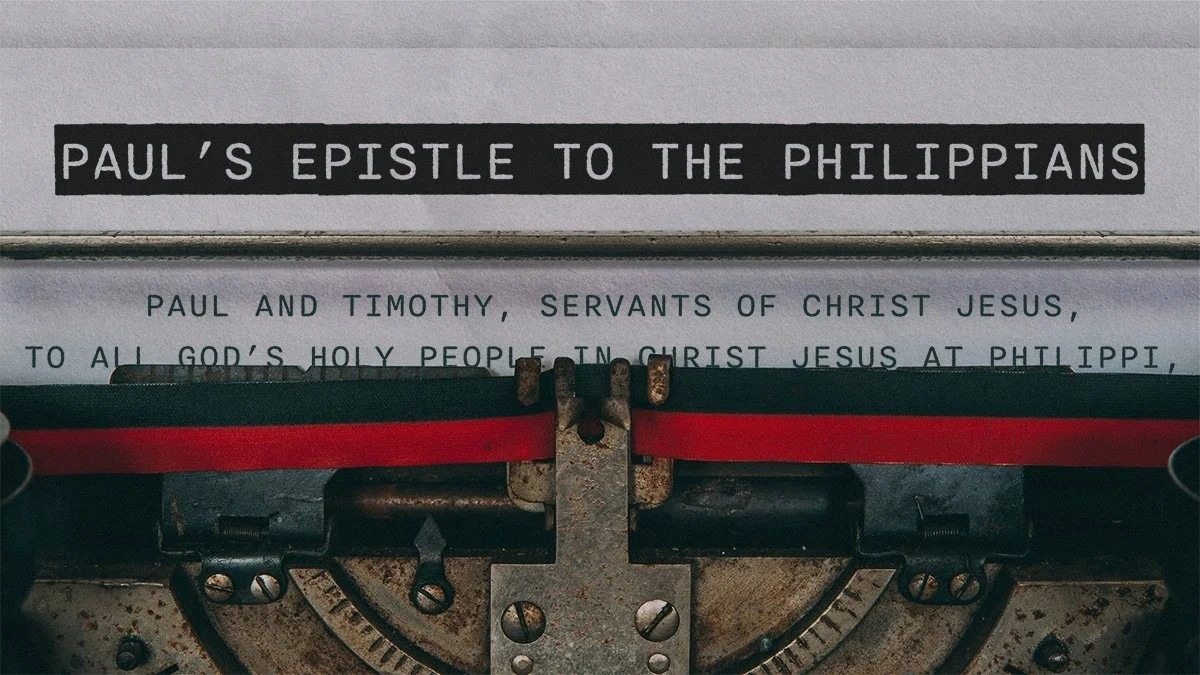
Our spring/summer preaching series is a study of the Book of Philippians called Discovering Joy. One of the things that fascinates me about Philippians is the number of paradoxes we encounter in this short book. Remember, a paradox is two things that seem contradictory at first, but upon closer investigation reveal a deeper underlying truth.
Here are five paradoxes we will encounter in Philippians:
- We can have joy in the midst of hardships. Paul talks a lot about joy in Philippians even though he is in prison facing almost certain death. And he commands the Philippians to rejoice even though they were experiencing hard times. To understand the “deeper underlying truth” here we need to understand the difference between “happiness” and “joy.” Happiness is dependent on circumstances, whereas joy is dependent on God’s presence, activity, and calling. We’ll be talking a lot about this paradox during this sermon series.
- We can experience unity despite our differences. Paul was very concerned about the divisions in the Philippian church because he understood how important unity in the church is to Jesus and Jesus’ ability to work through us (see John 17:20-23). Christian unity is based not on uniformity, but on our common relationship with Jesus Christ. People who have “one Lord, one faith, one baptism, one God and Father of all…” (Ephesians 4:5-6) don’t allow lesser things like our political, racial, ethnic, or socio-economic differences divide us.
- We can be content even with limited resources. Paul wrote, “I have learned the secret of being content in any and every situation, whether well fed or hungry, whether living in plenty or in want.” Contentment, like joy, is not based on outward circumstances, but is an inward characteristic that comes from the Spirit’s work in our lives. It’s rooted in the practice of gratitude. Gratitude makes what we have enough.
- The Christian life requires both our work and God’s work. There is a fascinating verse in chapter 2 – “Work out your salvation with fear and trembling, for it is God who works in you to will and to act in order to fulfill his good purpose.” (Philippians 2:12-13). Is the Christian faith dependent on our effort or God’s effort? Yes.
- We are sinners and saints at the same time. Paul wrote to the “saints in Christ Jesus who are at Philippi” and, yet he challenged them to repent of their sins. “Saint” is a great word to describe us because it both looks backwards to what Christ has done in rescuing us from our sin and looks forward to who we are becoming through the power of the Holy Spirit.
Keep your eye out for these paradoxes as we work our way through Philippians. Understanding the deeper underlying truths in these seemingly contradictory things is the key to living well in a broken world.
For those of you who are a few years on either side of retirement, I invite you to join me in July for a discussion of An Uncommon Guide to Retirement by Jeff Haanen. We’ll meet on Wednesday nights, July 1– July 29, from 7 to 8 pm. You can sign up by clicking HERE.
Navigating the paradoxes with you in the third third of life,
Steve McLean, Pastoral Fellow